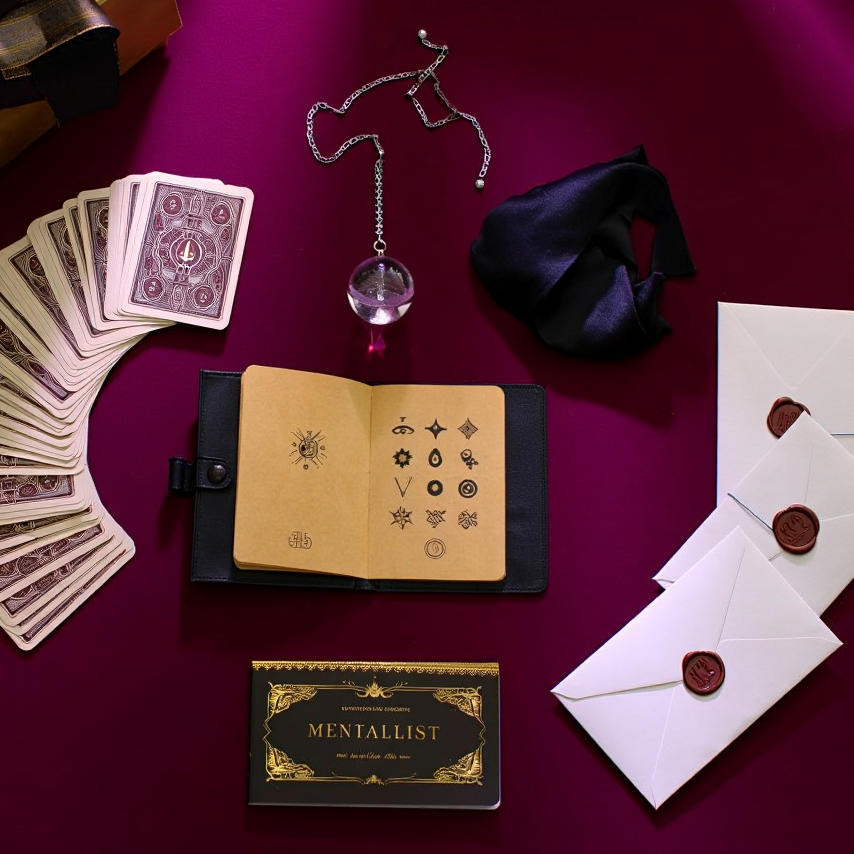
People often use “magic” and “mentalism” interchangeably — but they’re as different as a symphony and jazz. Both are music. Both require mastery. But the experience is completely different.
What Is Magic?
Traditional magic involves objects you can see changing in impossible ways. Cards vanish. Coins appear. Objects levitate. The performer is the wizard — controlling the physical world in ways that defy logic.
Magic is theatrical, often colorful, and appeals strongly to children and family audiences. The focus is on spectacle.
What Is Mentalism?
Mentalism is about the mind. The mentalist appears to read thoughts, predict choices, influence decisions, and reveal information they couldn’t possibly know. The “magic” happens inside the audience member’s head — not in the performer’s hands.
Mentalism is subtle, psychological, and deeply personal. It’s most powerful one-on-one or in corporate settings where the audience is sophisticated.
Key Differences
| Magic | Mentalism |
|---|---|
| Objects as focus | Human mind as focus |
| Theatrical, visual | Subtle, psychological |
| Great for families/kids | Ideal for adults/corporate |
| Audience watches | Audience participates mentally |
| Wonder through spectacle | Wonder through intimacy |
Which Should You Book?
- Kids birthday party → Magic
- Corporate event / team building → Mentalism
- Mixed adult/family event → Both (Cagliostro does both)
- Want to learn? → Start with magic, advance to mentalism
Learn Both
Our courses cover both disciplines. Start with Intro to Mentalism or dive into the full Magic Courses for Adults program.
Have questions? Contact Cagliostro directly →